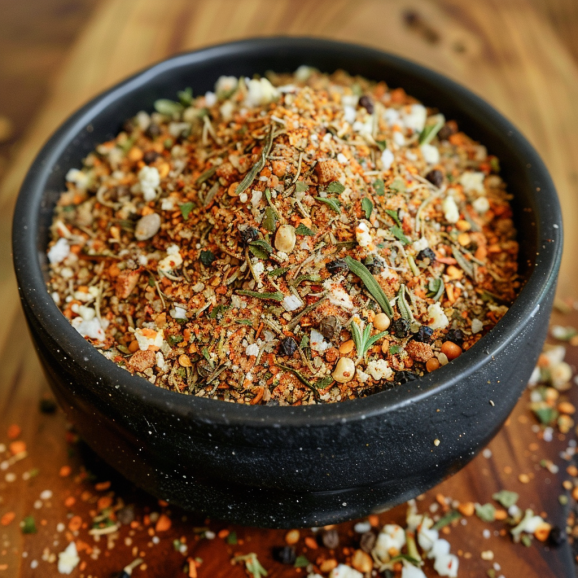
Unleash Mediterranean Magic: Why Your Kitchen Needs a DIY Greek Seasoning Recipe
Imagine bottling the sun-drenched vibrancy of the Mediterranean, capturing its aromatic herbs, warm spices, and a whisper of zesty brightness. Now, imagine doing it in just minutes, right in your own kitchen! Forget those expensive, pre-made spice blends that often fall short on freshness and flavor. Mastering your own
greek seasoning recipe is not just about bringing authentic, savory tastes to your table; it's a savvy move that elevates every meal and significantly slashes your grocery bill. This comprehensive guide will walk you through creating an all-purpose homemade blend that will transform everyday ingredients into extraordinary culinary delights, proving once and for all that gourmet flavors don't have to come with a gourmet price tag.
Why Crafting Your Own Greek Seasoning is a Game-Changer
The allure of a homemade Greek seasoning blend goes far beyond just taste. While the exquisite flavor profile is undeniable, there are several compelling reasons why a DIY approach trumps store-bought alternatives every time:
- Unbeatable Freshness and Potency: Unlike pre-packaged spices that can sit on shelves for months, your homemade blend is made with fresh ingredients, ensuring maximum aroma and flavor impact in every dish.
- Significant Cost Savings: Individual dried herbs and spices are typically much more economical when purchased separately than combined in a specialty blend. You'll quickly notice the savings accumulate as you skip the marked-up convenience of pre-mixed jars.
- Complete Control Over Ingredients: Concerned about excess sodium, hidden additives, or specific allergens? When you create your own greek seasoning recipe, you dictate exactly what goes in. This is particularly valuable for dietary restrictions or simply tailoring the blend to your personal preferences. For instance, you can keep the salt content low and add more to your dish later, which is almost impossible with pre-salted blends.
- Customization Potential: Your palate is unique, and your seasoning should be too! Once you have the basic recipe, the possibilities for customization are endless. Love a bit more heat? Add extra black pepper or a pinch of red pepper flakes. Craving more warmth? Boost the cinnamon or nutmeg.
- Ultimate Versatility: This isn't just for Greek food! While it shines in traditional Mediterranean dishes, its balanced profile of savory, herbaceous, and warming notes makes it incredibly adaptable to a vast array of cuisines and cooking styles.
This simple, quick project empowers you to infuse an authentic, sun-kissed taste into countless dishes, confirming that the best flavors often come from the simplest, most mindful preparations. If you're ready to unlock a world of flavor and savings, dive into the art of making your own Greek seasoning.
The Essential Elements: Decoding Your Perfect Greek Seasoning Recipe
A truly great Greek seasoning isn't just a random collection of spices; it's a symphony of carefully chosen ingredients that evoke the sunny shores of the Mediterranean. Most of these components are likely already staples in your pantry, making this blend incredibly accessible and quick to assemble.
The Herbaceous Heart: Dried Herbs
The backbone of any Greek blend is its vibrant selection of dried herbs. Why dried? While fresh herbs are wonderful for garnishes and certain dishes, dried herbs are essential for a shelf-stable seasoning blend. They concentrate flavor and allow for long-term storage.
- Oregano: The undisputed king of Greek herbs, oregano offers a robust, earthy, and slightly peppery flavor that is instantly recognizable.
- Basil: Sweet, peppery, and subtly minty, basil adds a layer of fragrant warmth.
- Dill Weed: With its fresh, slightly tangy, and anise-like notes, dill brings a unique brightness often associated with Greek cuisine.
- Rosemary: Pungent, piney, and a little lemony, rosemary provides a deep aromatic quality.
- Thyme: Earthy, minty, and subtly floral, thyme rounds out the herbaceous profile beautifully.
- Parsley Flakes: Offering a mild, fresh, and slightly peppery taste, parsley enhances the overall brightness without overpowering.
Aromatic Foundations: Garlic & Onion
These two kitchen workhorses provide the savory depth that grounds the entire blend.
- Garlic Powder: Delivers a concentrated, pungent garlic flavor that permeates dishes. If using granulated garlic, remember to use roughly twice the amount for equivalent potency.
- Onion Powder: Adds a sweet, savory, and aromatic complexity. Similar to garlic, use double the amount if opting for granulated onion.
The Warming Whisper: Spices & Seasonings
These elements provide subtle warmth, depth, and a touch of intrigue that elevates the blend beyond just herbs.
- Black Pepper: Provides a gentle heat and a pungent, woody aroma that awakens the palate.
- Nutmeg: This might surprise some, but nutmeg adds a unique, lightly nutty, and subtly peppery warmth that is surprisingly versatile in savory applications. It’s a secret weapon for adding depth.
- Cinnamon: Another unexpected hero, cinnamon’s warming, subtly sweet notes contribute to the complex aroma profile often found in Mediterranean cooking, particularly in dishes like moussaka or pastitsio. It adds a sophisticated "je ne sais quoi."
- Salt: While optional for a seasoning blend, a touch of salt can help enhance and balance all the flavors. However, it's often best to keep the salt content relatively low in your blend so you can season dishes to taste later. This prevents over-salting, especially when using the blend in marinades or for finishing.
These components, when combined in the right proportions, create a harmonious and unforgettable flavor experience. For a deeper dive into the individual components and their roles, check out
The Versatile Greek Seasoning Blend: Herbs, Spices & Uses.
Crafting Your DIY Greek Seasoning: A Quick & Easy Guide
Making your own
greek seasoning recipe is remarkably simple and takes just minutes. Here’s how to do it:
- Gather Your Ingredients: Measure out your chosen dried herbs and spices. Precision isn't strictly necessary, but starting with roughly equal parts of the main herbs (oregano, basil, dill, rosemary, thyme, parsley) and then adding smaller amounts of garlic powder, onion powder, black pepper, nutmeg, and cinnamon, with a minimal amount of salt, is a good starting point.
- Combine Thoroughly: In a small bowl, add all the measured ingredients. Use a whisk or a spoon to thoroughly combine them. Ensure there are no clumps and that all the spices are evenly distributed. For an extra fine texture, you can pulse the mixture briefly in a spice grinder or a clean coffee grinder, but this isn't strictly necessary.
- Taste (Optional, with Caution): If you're feeling adventurous and want to check the balance, lightly dab a tiny amount on your finger and taste, or mix a pinch into a small amount of unsalted butter or olive oil. Adjust any spices to your liking – perhaps a bit more garlic, or a touch more oregano for that classic Greek kick.
- Transfer to Storage: Spoon your freshly made Greek seasoning into a clean, airtight glass jar or spice container.
- Store Properly: Keep your seasoning in a cool, dry, dark place (like a pantry cupboard) away from direct sunlight and heat. Stored correctly, your homemade Greek seasoning will remain fresh and potent for up to six months, though it's often best used within 3-4 months for optimal flavor.
That's it! In a mere five minutes, you've created a powerhouse of flavor that's ready to elevate countless meals. Discover more about the speed and convenience in our article
Minute Homemade Greek Seasoning: Your Mediterranean Flavor Secret.
Unleash the Mediterranean Magic: Versatile Uses for Your Homemade Blend
The beauty of your homemade
greek seasoning recipe lies in its incredible versatility. It’s not just for Greek salads; this blend can transform an astonishing variety of dishes.
- Meats & Poultry: Sprinkle generously on chicken, lamb, beef, pork, or even fish before grilling, roasting, or pan-searing. It makes an incredible dry rub for kebabs (souvlaki!) or a fantastic addition to marinades when combined with olive oil and lemon juice.
- Roasted Vegetables: Toss with chopped potatoes, zucchini, bell peppers, eggplant, or broccoli florets before roasting for a burst of Mediterranean flavor. It's also fantastic on crispy roasted chickpeas!
- Grains & Pastas: Stir into cooked couscous, quinoa, farro, or rice for a flavorful side dish. It’s also a secret ingredient for elevating Greek orzo salad or simple pasta dishes.
- Dips & Spreads: Whisk into plain Greek yogurt, sour cream, or hummus for a zesty dip for crudités or pita bread. Mix it with softened cream cheese for a flavorful spread. It's divine in a homemade whipped feta dip!
- Salad Dressings: Combine with extra virgin olive oil, red wine vinegar, and a squeeze of lemon juice for an instant homemade Greek vinaigrette.
- Soups & Stews: Use it as a flavor base in lentil soup, chicken noodle soup, or any hearty stew needing an aromatic uplift.
- Bread & Pizza: Knead a teaspoon or two into homemade bread dough, sprinkle over focaccia before baking, or dust over your pizza before topping for an extra layer of flavor.
- Eggs: A pinch in scrambled eggs or an omelet adds an unexpected Mediterranean twist to your breakfast.
Customizing Your Greek Seasoning Blend
Don't be afraid to make this
greek seasoning recipe truly your own!
- Add Heat: For a spicier kick, incorporate a pinch of crushed red pepper flakes.
- Citrus Zest: If you want to enhance the "hint of citrus" mentioned in some blends, add a very small amount of dried lemon peel powder or finely grated dried orange peel.
- Other Herbs: Experiment with marjoram for a slightly sweeter, milder oregano-like flavor, or a hint of dried mint for an extra refreshing note, especially good with lamb.
- Smoked Paprika: For a smoky depth and a touch of color, a quarter teaspoon of smoked paprika can be a wonderful addition.
- Adjust Ratios: If you particularly love garlic, feel free to increase the garlic powder. If you're not a fan of rosemary, reduce its amount or omit it entirely.
The key is to experiment and find the balance that best suits your taste buds and the dishes you love to create.
Conclusion: Your Passport to Mediterranean Flavor Awaits!
Embarking on the journey of creating your own
greek seasoning recipe is more than just making a spice blend; it's an investment in flavor, freshness, and culinary creativity. You'll not only save money by bypassing expensive store-bought versions but also gain complete control over ingredients, ensuring the highest quality and best taste for your family. From transforming simple grilled chicken into a gourmet meal to elevating humble roasted vegetables, this versatile blend will quickly become a cherished staple in your pantry. So, gather your herbs, mix your spices, and get ready to infuse every dish with the vibrant, irresistible taste of the Mediterranean. Your taste buds (and your wallet!) will thank you.